
What is Organic Farming? A Beginner's Guide
Embracing a sustainable lifestyle starts with understanding the basics of organic farming. This method of farming has gained popularity in recent years due to its potential to promote eco-friendly practices and produce healthier food.

At its core, organic farming is an agricultural practice that avoids the use of synthetic fertilizers, pesticides, and genetically modified organisms (GMOs). By adopting these methods, farmers can help preserve the natural ecosystem and reduce their environmental footprint.
The importance of organic farming lies in its ability to promote biodiversity, improve soil health, and provide consumers with safer food options. As a beginner, understanding these principles is the first step towards embracing a more sustainable lifestyle.
Key Takeaways
- Organic farming is a sustainable agricultural practice.
- It avoids the use of synthetic fertilizers and pesticides.
- Organic farming promotes biodiversity and improves soil health.
- It provides consumers with safer food options.
- Embracing organic farming can help reduce environmental footprint.
What is Organic Farming? Definition and Core Principles
At its core, organic farming is about working with nature to produce food that is not only healthy for consumers but also sustainable for the planet. "Organic farming is a production system that sustains the health of soils, ecosystems, and people," as stated by the International Federation of Organic Agriculture Movements (IFOAM).

The Official Definition of Organic Farming
The USDA defines organic agriculture as "a production system that is managed in accordance with the Organic Foods Production Act (OFPA) to respond to site-specific conditions by integrating cultural, biological, and mechanical practices that foster cycling of resources, promote ecological balance, and conserve biodiversity."
Core Philosophical Principles
Organic farming is guided by several core principles, including the principle of health, which emphasizes the importance of maintaining the health of soils, plants, animals, and humans. Another key principle is ecology, which involves working with natural systems and processes to maintain ecological balance.
Holistic Approach to Agriculture
Organic farming adopts a holistic approach to agriculture, recognizing the interdependence of different components of the farming system. This approach involves managing the farm as an integrated whole, considering the long-term effects of farming practices on the environment and the community.
As
"The future of agriculture lies in organic farming, which is not just a method of farming, but a way of life."
, reflects the deep commitment required for this approach.
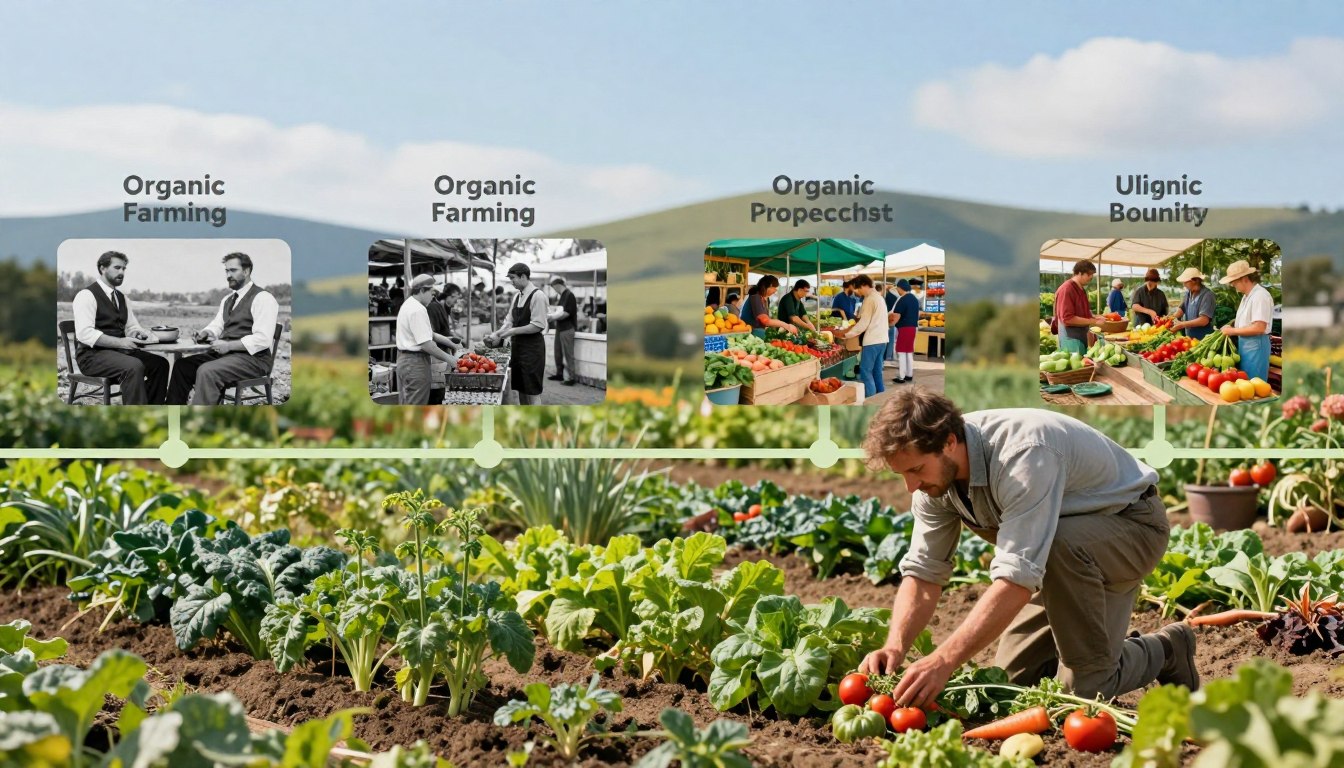
The History and Evolution of Organic Farming
The organic farming movement has its origins in the early 20th century, driven by concerns over the environmental and health impacts of industrial agriculture.
Origins of the Organic Movement
The organic movement was pioneered by individuals like Sir Albert Howard, who is often considered the father of organic farming. Howard's work in India during the 1920s and 1930s laid the foundation for modern organic practices by emphasizing the importance of soil health and natural farming methods.
Modern Development of Organic Agriculture
In the latter half of the 20th century, organic agriculture began to take shape as a distinct movement. The 1960s and 1970s saw a growing interest in organic farming, driven by the counterculture movement and concerns about environmental degradation. This period also saw the establishment of the first organic certification programs.
Growth of Organic Farming in the United States
The United States has played a significant role in the modern development of organic farming. The Organic Foods Production Act of 1990 was a landmark legislation that established national standards for organic production. Since then, organic farming in the U.S. has experienced rapid growth, with the USDA reporting a significant increase in organic farms and certified organic acreage.
Organic Farming vs. Conventional Farming: Key Differences
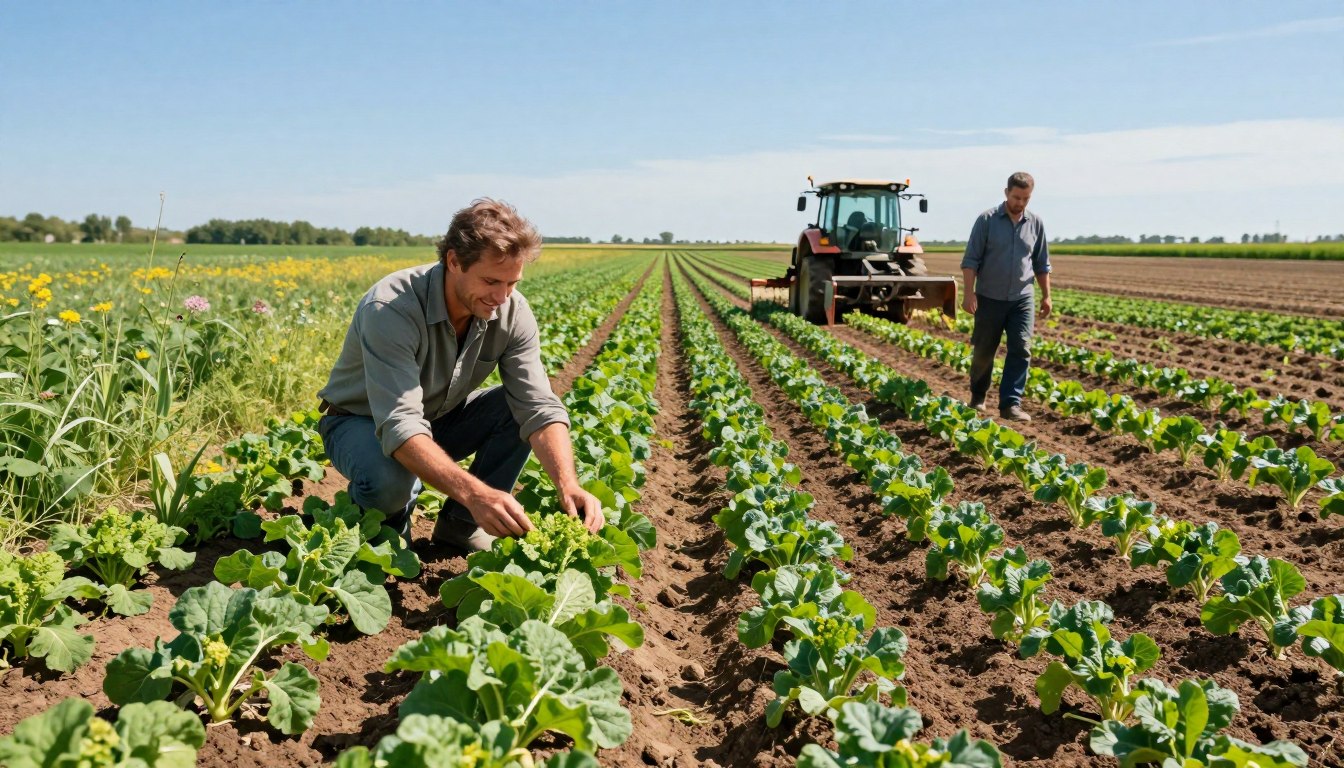
Understanding the differences between organic and conventional farming is crucial for consumers, farmers, and policymakers alike. These two agricultural methods have distinct approaches to producing food, impacting the environment, product quality, and the economy.
Input Management Differences
One of the primary distinctions between organic and conventional farming lies in their input management strategies. Organic farming relies on natural methods and materials, such as crop rotation, compost, and biological pest control. In contrast, conventional farming often utilizes synthetic fertilizers, pesticides, and genetically modified organisms (GMOs) to enhance yield and control pests.
Environmental Impact Comparison
The environmental impact of these farming methods varies significantly. Organic farming tends to promote soil health, biodiversity, and efficient water use, reducing the environmental footprint. Conventional farming, while often more productive in the short term, can lead to soil degradation, water pollution, and loss of biodiversity due to the use of chemical inputs.
Product Quality and Safety Considerations
When it comes to product quality and safety, both methods have their considerations. Organic produce is often associated with lower pesticide residues and higher nutritional quality. However, conventional farming can provide a more consistent supply of affordable produce, albeit with potential risks associated with chemical residues.
Economic Comparisons
Economic factors also play a crucial role in the comparison. Organic farming typically requires more labor and can be more expensive due to the use of natural inputs. Conventional farming, while potentially more cost-effective in the short term, may incur hidden costs related to environmental degradation and health impacts.
In conclusion, the choice between organic and conventional farming depends on a variety of factors, including environmental concerns, product quality, and economic considerations. By understanding these key differences, stakeholders can make informed decisions that align with their values and priorities.
The Environmental Benefits of Organic Farming
By adopting organic farming methods, farmers can significantly reduce their environmental footprint. Organic farming encompasses a range of practices that promote ecological balance and conserve biodiversity.

Soil Health and Conservation
Organic farming enhances soil health through the use of natural amendments and crop rotation, which improves soil structure and fertility. This approach not only conserves soil but also increases its productivity over time.
Water Quality Protection
Organic farming practices minimize water pollution by avoiding the use of synthetic fertilizers and pesticides, which can contaminate water bodies. This helps in maintaining clean water resources for both human consumption and wildlife.
Biodiversity Preservation
By promoting ecological balance, organic farming preserves biodiversity. This is achieved through practices like crop rotation and the maintenance of ecological habitats, which support a wide range of plant and animal species.
Climate Change Mitigation
Organic farming contributes to climate change mitigation by reducing the emission of greenhouse gases. Practices such as using organic amendments and minimizing tillage help sequester carbon in the soil, thus reducing the carbon footprint of farming activities.
In conclusion, the environmental benefits of organic farming are multifaceted, ranging from improving soil health and protecting water quality to preserving biodiversity and mitigating climate change. As the world moves towards more sustainable agricultural practices, organic farming stands out as a vital component of this transition.
Health and Nutritional Benefits of Organic Products
Organic farming practices are not only better for the environment, but also for our health. The decision to choose organic products is often driven by the desire to reduce exposure to synthetic pesticides and fertilizers.
Reduced Pesticide Exposure
One of the primary health benefits of organic products is the reduced exposure to pesticides. Organic farming strictly limits the use of synthetic pesticides, opting instead for natural methods of pest control. This reduction in pesticide exposure is particularly beneficial for children and pregnant women, who are more susceptible to the harmful effects of these chemicals.
Nutritional Profile of Organic Foods
Research suggests that organic foods may have a more favorable nutritional profile compared to their conventionally grown counterparts. For instance, organic produce tends to have higher levels of antioxidants and lower levels of cadmium, a toxic heavy metal.

Potential Health Advantages
The potential health advantages of consuming organic products are a subject of ongoing research. Some studies indicate that organic food consumption may reduce the risk of certain diseases, although more research is needed to fully understand these benefits.
Reading Organic Labels
Understanding organic labels is crucial for making informed choices. In the United States, the USDA Organic label ensures that products meet strict organic standards. Consumers should look for this label to ensure they are purchasing genuinely organic products.
| Label | Description |
|---|---|
| 100% USDA Organic | Contains only organic ingredients |
| USDA Organic | At least 95% organic ingredients |
| Made with Organic [ingredient] | Contains at least 70% organic ingredients |
By choosing organic products and understanding what the labels mean, consumers can make healthier choices that benefit both themselves and the environment.
Essential Organic Farming Practices and Methods
Organic farming methods focus on maintaining ecological harmony and promoting sustainable yields. This approach to agriculture is built on several key practices that work together to create a balanced and healthy farming ecosystem.
Crop Rotation and Diversity
Crop rotation is a fundamental practice in organic farming, involving the systematic rotation of crops to maintain soil fertility and structure. This technique helps in reducing soil erosion, increasing crop yields, and breaking disease and pest cycles. For instance, rotating legumes with cereals can enhance soil nitrogen levels, reducing the need for synthetic fertilizers.
As Rodale Institute emphasizes, "Crop rotation is the backbone of organic farming, allowing farmers to manage resources efficiently and maintain ecological balance."
Cover Cropping Techniques
Cover cropping involves planting crops between crop cycles to protect and enhance the soil. These crops help in suppressing weeds, reducing soil erosion, and adding organic matter. Techniques such as undersowing and relay cropping are used to integrate cover crops into the farming system seamlessly.
Composting and Natural Fertilization
Composting is a critical component of organic farming, turning waste into a valuable resource. By composting organic materials, farmers create a nutrient-rich fertilizer that promotes healthy plant growth without the use of synthetic chemicals. This practice not only improves soil fertility but also aids in waste management.
- Enhances soil structure
- Increases nutrient content
- Supports beneficial microbial activity
Natural Pest Management
Organic farming relies on natural methods to manage pests and diseases, including the use of beneficial insects, crop rotation, and biological controls. These methods help in maintaining ecological balance and reducing the reliance on chemical pesticides.
"The use of natural pest control methods is crucial for maintaining the integrity of organic farming systems and ensuring sustainable agricultural practices."
By adopting these essential organic farming practices, farmers can promote ecological health, improve crop yields, and contribute to a more sustainable food system.
Soil Management in Organic Farming Systems
Effective soil management is the backbone of successful organic farming systems. It involves a holistic approach that enhances soil health, structure, and biodiversity, ultimately leading to more sustainable and productive farming practices.
Building Soil Organic Matter
Soil organic matter is crucial for maintaining soil fertility and overall health. It is achieved through practices like incorporating cover crops, using compost, and minimizing soil disturbance. Increasing organic matter improves soil's water-holding capacity, aeration, and nutrient supply.
"The soil is the great connector of lives, the source and destination of all. It is the healer of all our ills, the source of all our health, and the key to our very survival." - Satish Kumar
Maintaining Soil Biology
Soil biology plays a vital role in organic farming. A healthy soil ecosystem teeming with microorganisms enhances nutrient cycling, improves soil structure, and supports plant health. Practices like reduced tillage and the use of organic amendments help maintain a thriving soil biology.
Natural Amendments and Minerals
Organic farming relies on natural amendments and minerals to maintain soil fertility. These include compost, manure, green manure, and mineral powders like rock phosphate and lime. The use of these natural inputs helps in maintaining soil pH, improving nutrient availability, and supporting microbial activity.
| Natural Amendment | Benefit |
|---|---|
| Compost | Improves soil structure and fertility |
| Manure | Rich in nutrients, enhances microbial activity |
| Green Manure | Adds organic matter, improves soil health |
Soil Testing and Monitoring
Regular soil testing and monitoring are essential to understand soil health and make informed decisions. Soil tests help determine nutrient levels, pH, and other parameters, guiding the application of amendments and other management practices.
By adopting a comprehensive soil management strategy, organic farmers can enhance soil health, improve crop yields, and contribute to a more sustainable agricultural system.
Organic Pest and Disease Management
Managing pests and diseases organically is a multifaceted approach that involves various strategies and techniques. Organic farming systems rely on a combination of methods to control pests and diseases without the use of synthetic chemicals.
Preventive Strategies
Prevention is the first line of defense in organic pest and disease management. This includes practices such as crop rotation, sanitation, and the use of resistant cultivars. Crop rotation helps in breaking the life cycle of pests and reducing the risk of disease buildup.
Biological Control Methods
Biological control involves using living organisms to control pest populations. This can include introducing natural predators or parasites of the pest, or using microorganisms like bacteria or fungi that are pathogenic to the pest. Encouraging biodiversity within the farm ecosystem is crucial for effective biological control.
Approved Organic Treatments
When preventive measures and biological controls are not sufficient, organic farmers may use approved organic treatments. These can include substances like neem oil, pyrethrin, and other naturally derived pesticides. It's essential to choose products that are certified for organic use.
Integrated Pest Management in Organic Systems
Integrated Pest Management (IPM) is a holistic approach that combines different management strategies to achieve long-term pest control. In organic systems, IPM involves monitoring pest populations, using cultural controls, and applying biological and chemical controls as needed. IPM helps in minimizing the risk of pest resistance and reducing the environmental impact.
Organic Certification Process in the United States
For farmers and businesses aiming to enter the organic market, understanding the certification process is essential. The United States Department of Agriculture (USDA) oversees the organic certification process, ensuring that organic products meet strict standards.
USDA Organic Standards
The USDA has established clear guidelines for organic farming and production. These standards prohibit the use of synthetic fertilizers, pesticides, and genetically modified organisms (GMOs). To be certified, farms and handling operations must maintain detailed records and undergo regular inspections.
Steps to Certification
The certification process involves several key steps:
- Application: Submit an application to a USDA-accredited certifying agent.
- Inspection: Undergo an on-site inspection to verify compliance with USDA organic standards.
- Review: The certifying agent reviews the application and inspection report.
- Certification: Receive certification if all requirements are met.
Costs and Timeframe
The cost of organic certification varies based on the size and complexity of the operation. The process can take several months to a year or more, depending on the certifying agent and the operation's readiness.
Record-Keeping Requirements
Maintaining detailed records is crucial for organic certification. This includes documentation of farming practices, inputs, and sales. Accurate record-keeping helps ensure compliance and facilitates the annual inspection process.
By understanding and following the USDA's organic certification process, farmers and businesses can ensure their products meet the highest organic standards, providing consumers with safe and sustainable choices.
Starting Your Own Organic Farm: First Steps
Embarking on the journey of starting your own organic farm can be both exciting and daunting. The initial steps involve several key considerations that will lay the foundation for a successful venture.
Land Assessment and Planning
The first step in starting your organic farm is assessing the land. This involves evaluating the soil quality, checking for any contamination, and understanding the local climate and ecosystem. Proper land assessment is crucial for determining the suitability of your land for organic farming.
Essential Equipment and Resources
Once your land is assessed, you'll need to acquire the necessary equipment and resources. This may include organic seeds, natural fertilizers, and appropriate farming tools. Investing in quality equipment can significantly impact your farm's productivity and sustainability.
Building Your Knowledge Base
Organic farming requires a deep understanding of ecological principles, soil science, and biodiversity. Continuous learning through workshops, online courses, and farming communities can provide valuable insights and techniques.
Financial Considerations and Support Programs
Starting an organic farm also involves financial planning. Exploring government support programs, grants, and organic farming certifications can help offset initial costs and provide a financial safety net.
Small-Scale Organic Gardening for Beginners
Small-scale organic gardening is an accessible way for beginners to grow their own food, improve their environment, and enjoy the therapeutic benefits of gardening. This approach to gardening focuses on creating a sustainable and healthy ecosystem, even in limited spaces.
Container and Raised Bed Organic Gardening
Container and raised bed gardening are ideal for small spaces. They offer better soil control and drainage, making it easier to maintain organic standards. Use natural materials for your containers and beds to avoid chemical contamination.
Organic Seed Selection
Choosing the right seeds is crucial for a successful organic garden. Opt for certified organic seeds or heirloom varieties to ensure they are free from genetically modified organisms (GMOs) and chemical treatments.
DIY Organic Fertilizers and Pest Controls
Create your own organic fertilizers using compost, manure, or green manure. For pest control, use natural methods like introducing beneficial insects or spraying with neem oil. Here are some simple recipes:
- Compost tea: Steep compost in water to create a nutrient-rich liquid fertilizer.
- Neem oil spray: Mix neem oil with water to control pests like aphids and whiteflies.
Scaling Up: From Garden to Small Farm
As you gain experience, you might consider expanding your garden into a small farm. Start by assessing your land and resources, then gradually scale up your operations while maintaining organic practices.
Conclusion: The Future of Organic Farming
The future of organic farming looks promising, driven by increasing consumer demand for sustainable and healthy food options. As we've explored, the benefits of organic farming extend beyond environmental conservation to include improved health and nutritional outcomes.
Organic farming importance cannot be overstated, as it promotes biodiversity, enhances soil health, and reduces the use of synthetic pesticides and fertilizers. By adopting organic practices, farmers can contribute to a more sustainable food system while improving their livelihoods.
The growth of organic farming also presents opportunities for innovation and community engagement. As more individuals become involved in organic gardening and farming, the potential for positive impact on local ecosystems and economies increases. Embracing the future of organic farming means supporting a movement that prioritizes the health of our planet and its inhabitants.
By choosing organic options and supporting local organic farmers, consumers can play a crucial role in shaping the future of agriculture. As the demand for organic products continues to rise, it's clear that organic farming will remain a vital component of our food system, driving positive change and promoting a healthier environment for generations to come.
FAQ
What is organic farming?
Organic farming is a method of farming that avoids the use of synthetic fertilizers, pesticides, and genetically modified organisms (GMOs), focusing on maintaining soil health, biodiversity, and ecological balance.
What are the benefits of organic farming?
The benefits of organic farming include improved soil health, increased biodiversity, reduced environmental pollution, and healthier food products. Organic farming also promotes ecological balance and conserves natural resources.
How does organic farming differ from conventional farming?
Organic farming differs from conventional farming in its avoidance of synthetic fertilizers, pesticides, and GMOs. Organic farming practices focus on natural methods to control pests and diseases, and to improve soil fertility.
What are some common organic farming practices?
Common organic farming practices include crop rotation, cover cropping, composting, and natural pest management. These practices help maintain soil health, reduce pests and diseases, and promote biodiversity.
How is organic farming certified?
In the United States, organic farming is certified by the USDA through the National Organic Program (NOP). Farmers must meet strict standards, including avoiding synthetic fertilizers and pesticides, and maintaining detailed records.
What is the importance of soil management in organic farming?
Soil management is crucial in organic farming as it helps maintain soil health, fertility, and structure. Practices like composting, cover cropping, and crop rotation help build soil organic matter and promote soil biology.
How does organic farming impact the environment?
Organic farming has a positive impact on the environment by reducing pollution, conserving natural resources, and promoting biodiversity. Organic farming practices like cover cropping and crop rotation help mitigate climate change.
Are organic products healthier?
Organic products are considered healthier due to lower levels of pesticide residues and higher levels of certain nutrients. Organic farming practices also promote ecological balance, which can lead to healthier food products.
How can I start my own organic farm?
To start your own organic farm, begin by assessing your land, planning your crops, and building your knowledge base. You can also seek guidance from local organic farming organizations and experts.
What is the difference between organic and non-GMO?
Organic and non-GMO are related but distinct concepts. Organic refers to a farming practice that avoids synthetic fertilizers and pesticides, while non-GMO refers specifically to the absence of genetically modified organisms.



0 Comments